Planning Your Healthy Pregnacy
Updated: May 10

Introduction
Planning a pregnancy is a great time to focus on your health. Good preparation can support your baby’s growth and reduce the risk of problems during pregnancy and birth. This guide covers key steps to take before you conceive, including supplements, health checks, screening tests and lifestyle choices.
Every woman has individual needs and different medical conditions. They need to consult their specialist or GP to assess whether this advice can be followed or should be modified to suite their medical conditions.
1. Preconception immunity tests and supplements
Supplements

Certain supplements are recommended to be started at lest 3 months before and continued during the pregnancy to support your baby’s development:
Iodine supplementation needs to be taken daily
Iodine supports the development of the baby’s nervous system and brain.
Helps reduce the risk of intellectual impairment and lower intelligence quotients (IQ).
Often taken as part of a multivitamin for pregnancy, but check the label to ensure it contains the correct amount of iodine.
While iodine supplementation is generally recommended for women planning pregnancy, iodine-containing supplements are not suitable for everyone and can be harmful if taken unnecessarily or in excess. Those with pre-existing thyroid condition may not need to take iodine.
Folic acid supplementation should be taken daily
Folic Acid (Foloate) supports normal development of the baby’s spine and nervous system.
Helps reduce the risk of neural tube defects such as spina bifida.
Ideally Folate should be started at least three months before conception and continued through the first trimester, or as advised by your doctor.
Almost all women planning a pregnancy should take folic acid to prevent neural tube defects. However, those with a low vitamin B12 level (anaemia), have a previous history of an allergic reaction to folic acid, or have specific types of cancer should consult their treating doctors before starting Folic Acid
Always discuss supplements with your GP or pharmacist to make sure the dose and combination are right for you.
Immunity Tests for Protection from Infectious Diseases
Rubella and Chickenpox infections caught by a woman during pregnancy can cause harmful effects to the developing fetus.
Therefore it is recommended that women planning to fall pregnant should check their immunity and if it is low then have boosters to improve their immunity.
2. General health checks and blood tests
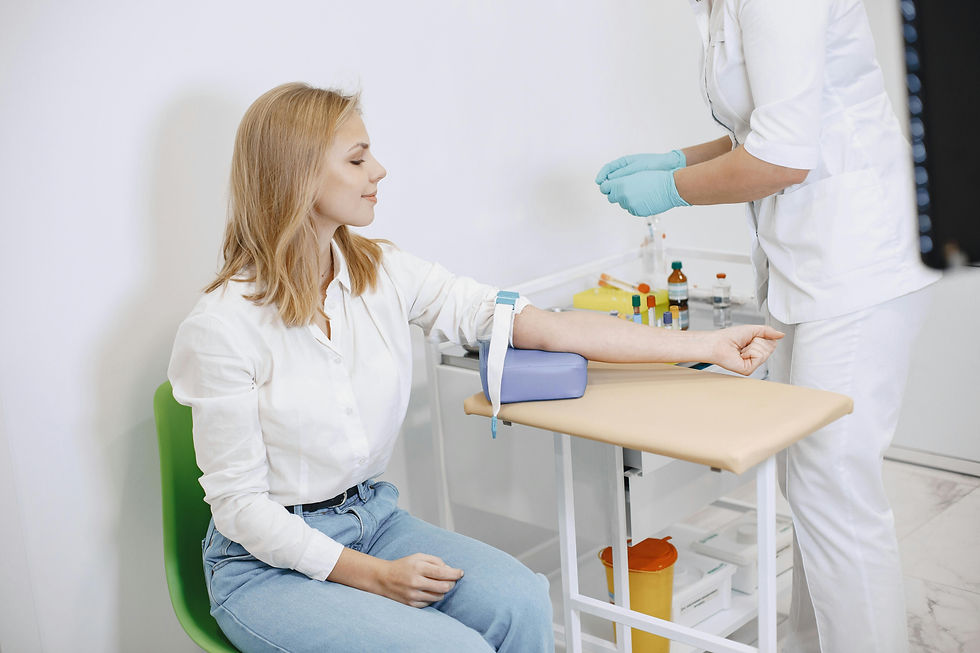
Before pregnancy, it is important to review your general health and have blood tests to check:
Anaemia and iron levels – Low iron can cause fatigue and may affect you and your baby during pregnancy and birth.
Vitamin D levels – Important for bone strength and healthy development of your baby’s bones and teeth.
Thyroid function – Thyroid problems can affect fertility, pregnancy and the baby’s development, so early detection and treatment are important.
It is also important to have had a cervical screening test (CST) within the last 4 years, or as recommended in your doctor. If you are due or overdue, arrange a CST to be done before you become pregnant.
3. Genetic carrier screening

Prospective mothers are encouraged to consider carrier screening to check whether they carry genes that could cause serious inherited conditions in their baby.
There are two main options:
Government‑subsidised three‑panel test
Screens for three important inherited conditions (cystic fibrosis, spinal muscular atrophy and fragile X syndrome – your doctor can confirm the exact panel).
Recommended for all women planning a pregnancy.
Expanded carrier screening panel
Screens for a larger number of genetic conditions.
May be chosen if you want more comprehensive screening or have particular family or ethnic risk factors.
Your GP can explain the benefits and limitations of each option and help you decide which test is right for you and your partner.
4. Infections to avoid in pregnancy
Some infections can be harmful to the developing baby. It is important to understand how to reduce your risk, both before and during pregnancy.
Listeriosis
Listeria is a bacteria that can cause miscarriage, stillbirth or serious illness in newborns. It can be caught in several ways, commonly through food. To reduce your risk:
Avoid unpasteurised dairy products and soft cheeses (e.g. brie, camembert, blue cheese).
Avoid deli meats, pâté and pre‑prepared salads unless heated until steaming hot.
Store and handle food safely, and avoid food past its use‑by date.
Toxoplasmosis
Toxoplasma is a parasite that can affect the baby’s brain and eyes. It can be caught in several ways, including:
Handling cat litter or soil that contains infected cat faeces.
Eating undercooked or raw meat.
Eating unwashed fruit and vegetables.
To reduce your risk:
Avoid changing cat litter if possible, or wear gloves and wash hands well afterwards.
Cook meat thoroughly.
Wash fruit and vegetables carefully.
Your doctor can advise if any blood tests are needed based on your history and risk factors.
5. General health advice
Good overall health before conception supports a healthier pregnancy and baby. Key areas include:
Healthy lifestyle choices
Avoid smoking, vaping and recreational drugs.
Limit or avoid alcohol when trying to conceive and during pregnancy.
Aim for a healthy weight before pregnancy, as both underweight and overweight can affect fertility and pregnancy outcomes.
Nutritional diet
Focus on a balanced diet rich in vegetables, fruits, whole grains, lean proteins and healthy fats.
Include sources of calcium, iron, iodine and folate as advised by your doctor or dietitian.
Limit highly processed foods, sugary drinks and excess caffeine.
Exercise and movement

Aim for regular moderate exercise most days of the week, such as walking, swimming or appropriate prenatal exercise classes.
If you have not exercised regularly before, start gently and build up slowly.
Check with your GP before starting any new exercise program, especially if you have existing medical conditions.
Planning for a healthy pregnancy involves more than just taking a test. By starting recommended supplements, arranging key health checks, considering genetic screening, avoiding certain infections and following healthy lifestyle habits, you can give yourself and your future baby the best possible start.
Always discuss your individual situation with your GP or healthcare provider so your care can be tailored to your needs.


Comments